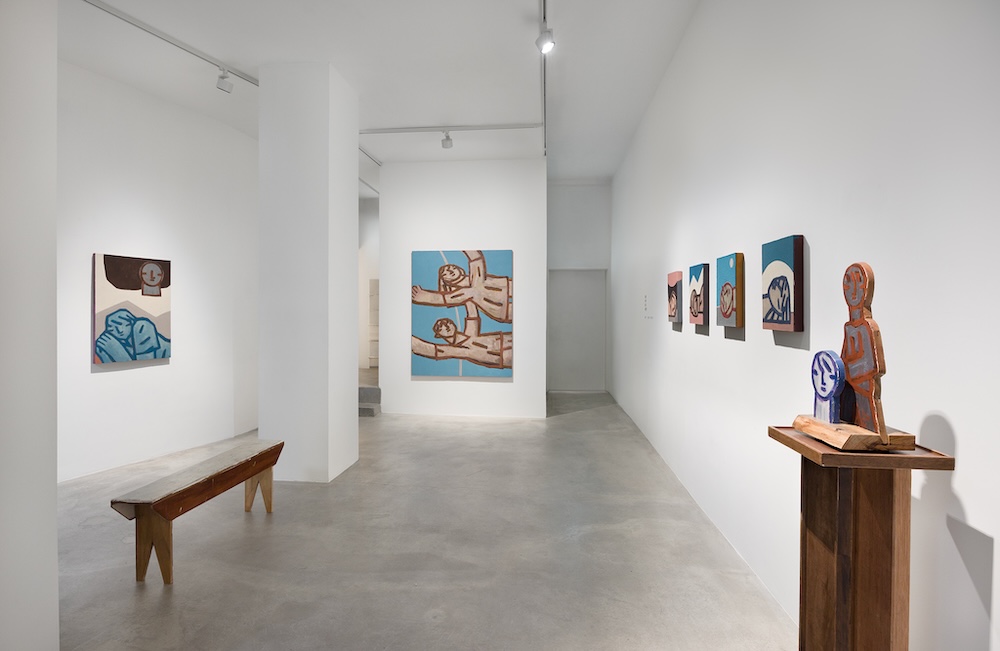

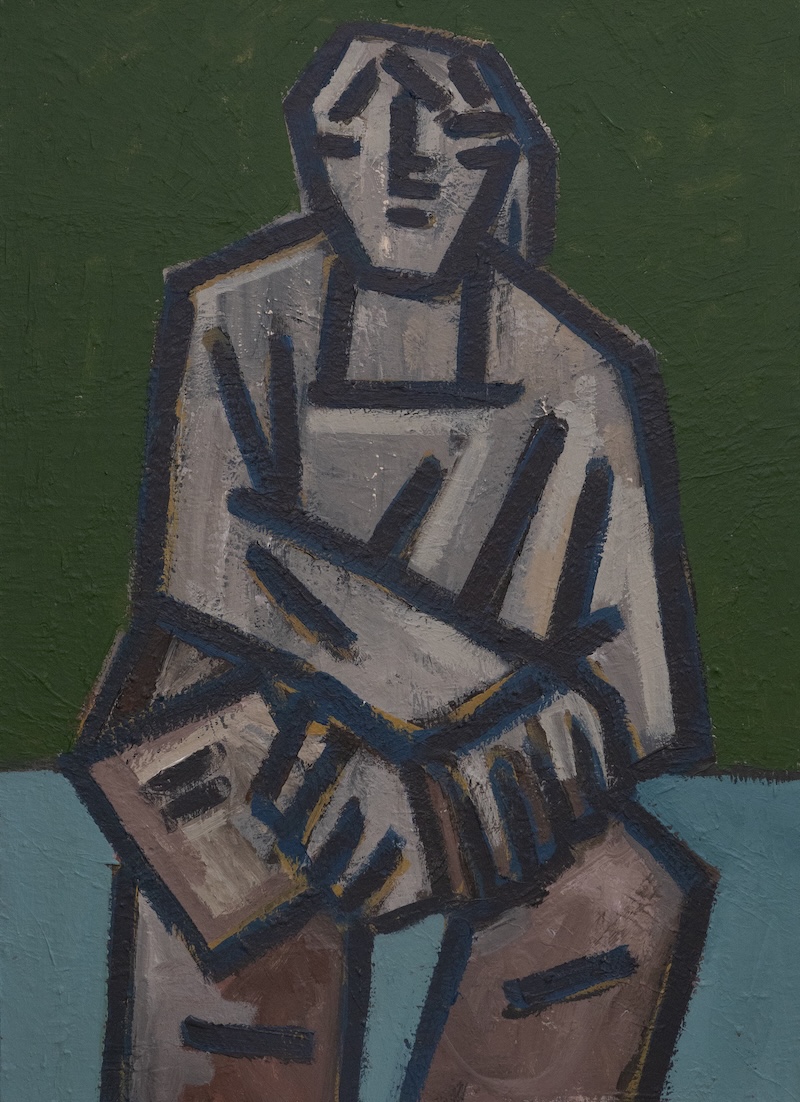
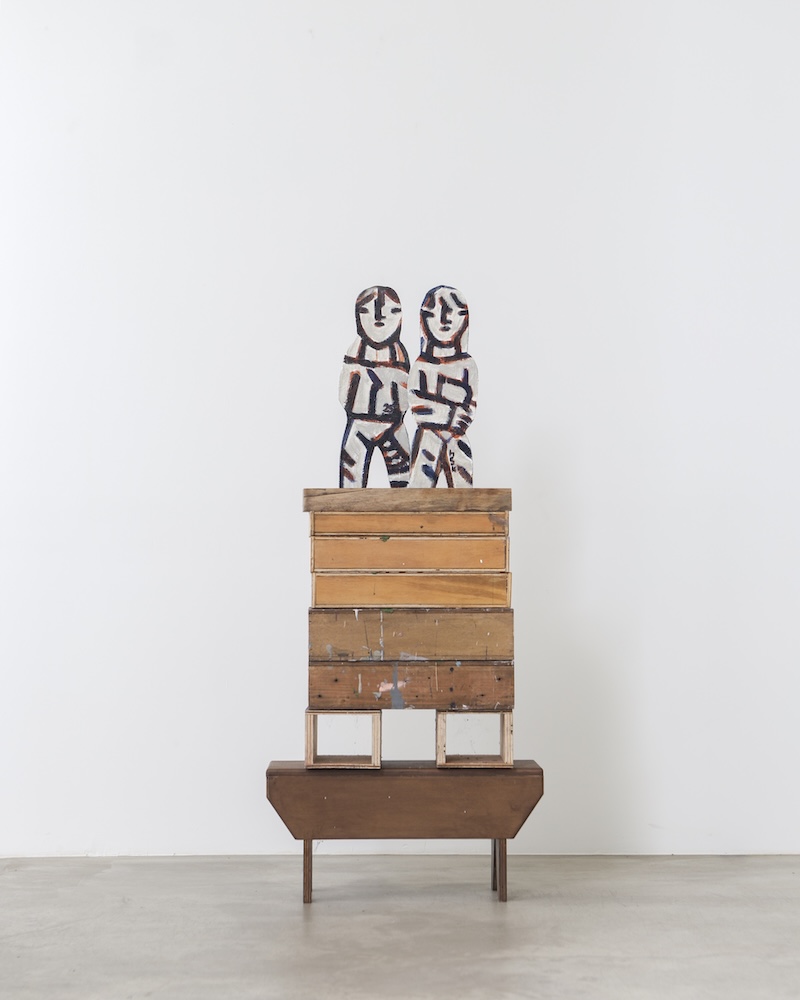
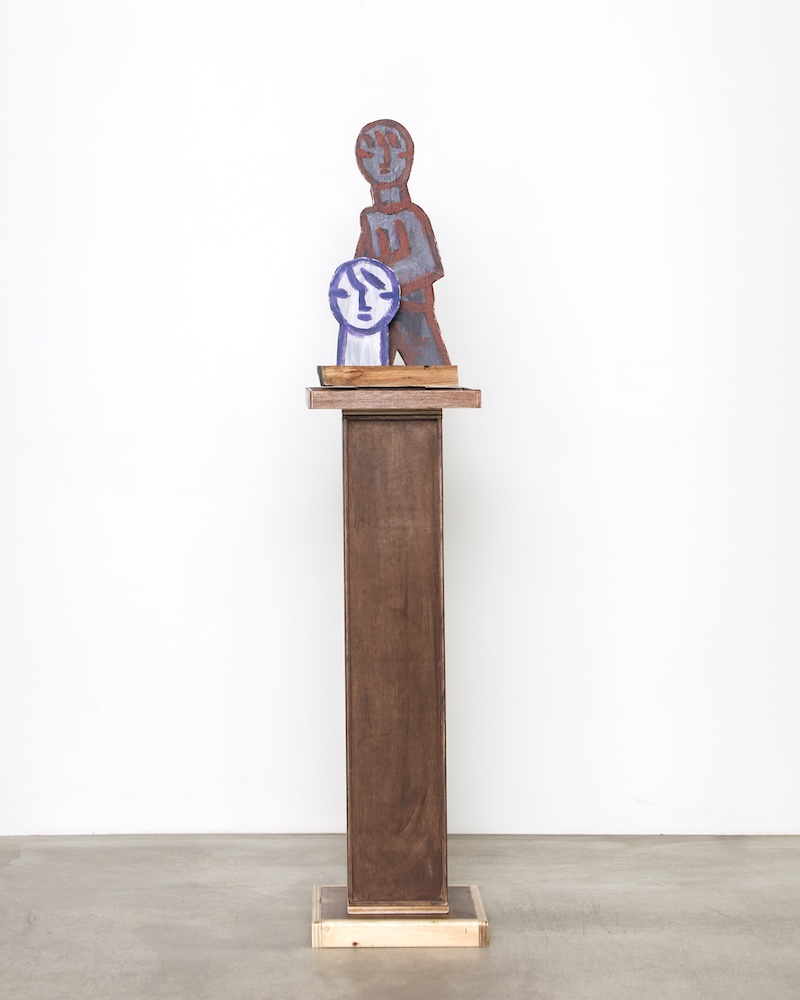
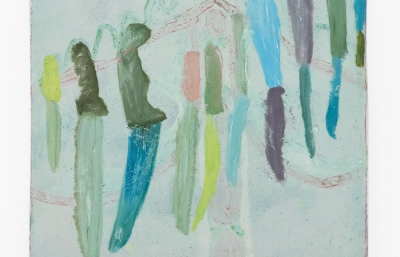
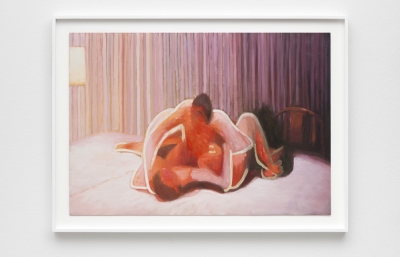
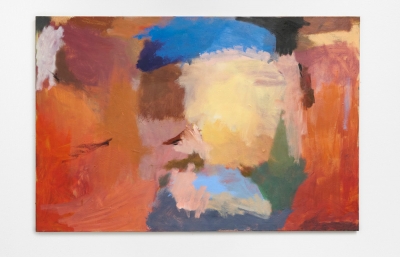
Heesoo Kim has long used the same titles for both exhibitions and works. His exhibitions were titled ‘Normal Life’ and his paintings were titled ‘Untitled’. There were a few exceptions with small subtitles, but the pattern was mostly consistent. This may seem simple at rst glance, but it comes from his intention to step back and keep a certain distance from his work. This attitude also appears in the way he paints gures without tying them to specic people, allowing anyone to see themselves in them. From this slight distance, he returns to emotions that feel familiar, such as love, friendship, and relationships, and asks what they mean again.
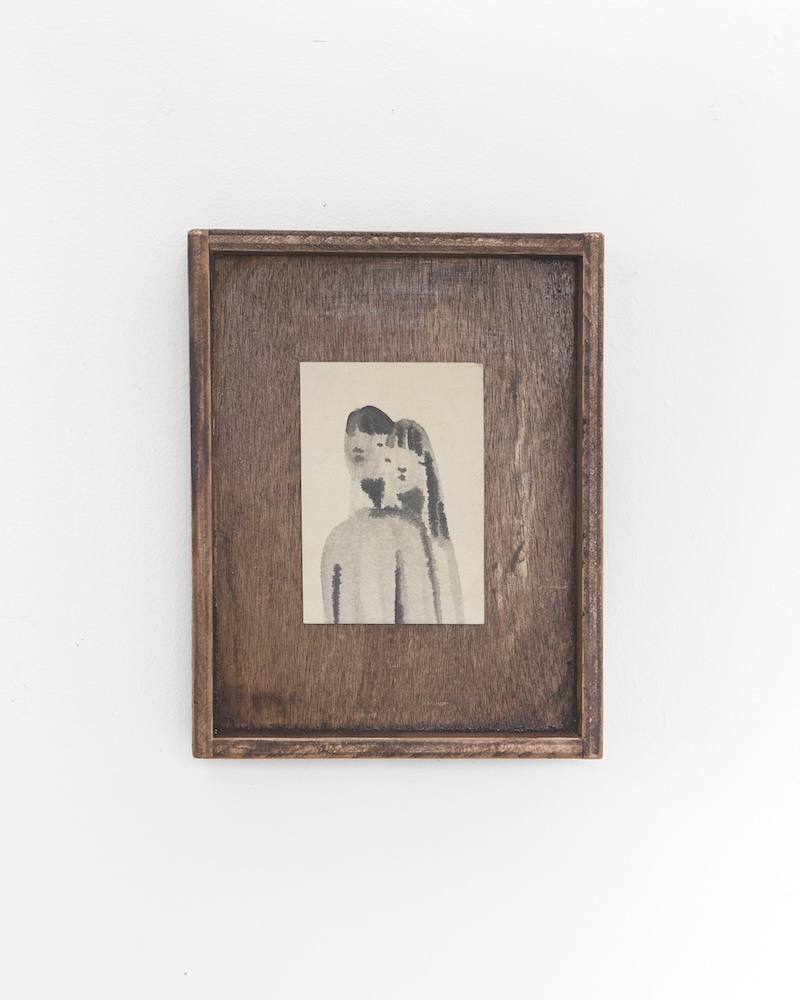
Heesoo Kim records passing thoughts and brief scenes through handwriting and drawing. Rather than aiming for a nished image, these drawings are closer to quick notes that hold a moment. They form like the bark of a tree that grows and sheds. Even when the writing is hard to read, it carries private and unltered feelings spoken almost without intention.
There was no xed destination in the way he observed and recorded daily life, but the emotions and relationships accumulated over time slowly revealed where his mind was turning. This appears in the title of this exhibition, ‘What I long to see’. It may look like a departure from his previous naming pattern, but it is more of a small shift that naturally followed the direction of his work.
In an environment where thoughts and images are quickly shared and replaced on small screens, we connect with others easily and drift apart just as fast. As sociologist Zygmunt Bauman described modern relationships as “liquid,” the tension between the desire for stability and the desire not to be bound echoes the reality the artist has felt. In the fatigue and emptiness left by constant exposure, he asks himself what he should hold on to.
Figures lying face down on the oor as if looking for a place to rest, or a gure standing with open arms under another who is falling, express a wish to repair relationships, a belief that connection is still possible, and the core feelings he wants to return to. By bringing back emotions that are easy to pass over and adding weight to them through thick layers of paint, his work becomes a way of moving toward the possibility that life can be shaped again.
The hope found in his paintings lies in the gesture of reaching out a hand toward something not yet within reach but still sought.